Thinking about a cozy Mount Gretna cottage that doubles as a vacation rental? You are not alone. The village’s charm and summer buzz make it a tempting investment, but the rules here are unique and strict. In this guide, you will learn the approvals you need, what the numbers look like, and a clear plan to buy with confidence. Let’s dive in.
Why Mount Gretna draws guests
Mount Gretna comes alive in summer. Theatre nights, porch culture, shaded paths and lake days create a steady stream of visitors. The Gretna Theatre’s summer season and the Mount Gretna Outdoor Art Show drive peak weekends, so you can expect strong booking interest in mid to late summer. You can preview upcoming productions on the Gretna Theatre season schedule.
Seasonality is real. The market is liveliest from June through August and quieter the rest of the year. Smart pricing and clear minimum stays help you capture the peaks and protect margins when demand slows.
Know the rules first
Before you write an offer, confirm that you can legally operate a short‑term rental at the address. Mount Gretna Borough defines short‑term rentals as stays under 30 days and places a hard cap on how many are allowed.
- The Borough limits short‑term rentals to a maximum of 18 units and restricts where they can operate, generally along Lancaster Avenue and north to PA‑117. You can read the definitions, caps and penalties in Chapter 137 of the Borough code.
- Operating requires an annual Borough license with an approved inspection, a local contact within 20 miles, posted renter info and a fire escape diagram, and proof of at least $500,000 in liability insurance. Occupancy is capped at two people per bedroom with a maximum of 10 overnight guests. The Borough details these steps in its rental license application process.
- Parking, noise and nuisance rules are enforced. In some areas, on‑street parking is permit‑only, and licensed rentals are typically allocated two street permits. Repeated violations can lead to fines or loss of license, as outlined in Chapter 137.
If the cottage is in the Campmeeting
Many properties sit inside the Mt. Gretna Campmeeting Association (MGCA). If yours does, you will likely need both Borough approval and an MGCA permit.
- MGCA requires a property‑specific Home Rental Permit for any rental activity and keeps its own cap and waiting list for short‑term permits. Permits are not transferable and may require an orientation and renewal steps. Review the MGCA Home Rental Policy and verify status for the specific lot.
Taxes and registrations
Short‑term rental owners must register for and remit the Lebanon County hotel tax. The County collects a 5 percent hotel tax and requires monthly returns. Registration forms are available through the Lebanon County Treasurer. As part of the Borough license packet, you will also be asked to show Pennsylvania business tax registration and your insurance declaration page.
Market snapshot: What the numbers say
Mount Gretna is a small, historic market with limited inventory. Prices for cottages and nearby listings often fall in the low‑to‑mid hundreds of thousands, and medians can swing month to month because only a few homes trade at a time. That scarcity is part of the appeal and part of the challenge.
On the performance side, market tools show a modest but healthy vacation rental scene. AirDNA reports about 55 active short‑term listings, with an average occupancy near 51 percent and an ADR around $238. The data also show strong summer peaks and lighter off‑season traffic. You can view the market summary on AirDNA’s Mount Gretna overview.
What does this mean for your plan? In a seasonal market, revenue can look great on festival weekends and slower in shoulder months. A two‑night minimum is common, and owners who lean into event calendars, clear house rules and sharp photos often outperform the averages.
Underwriting tips you can trust
- Model three scenarios. Use a most‑likely case around market averages, a conservative case with lower occupancy and rates, and an upside case for peak‑season outperformance.
- Use address‑level estimates. Market averages are helpful, but street and home features matter a lot here. Get an address‑level rentalizer report before you finalize pricing assumptions.
- Budget for the little things. Owner‑paid utilities, platform fees, cleaning, and a maintenance reserve can move your bottom line more than you expect.
Property condition and operations
Historic cottage realities
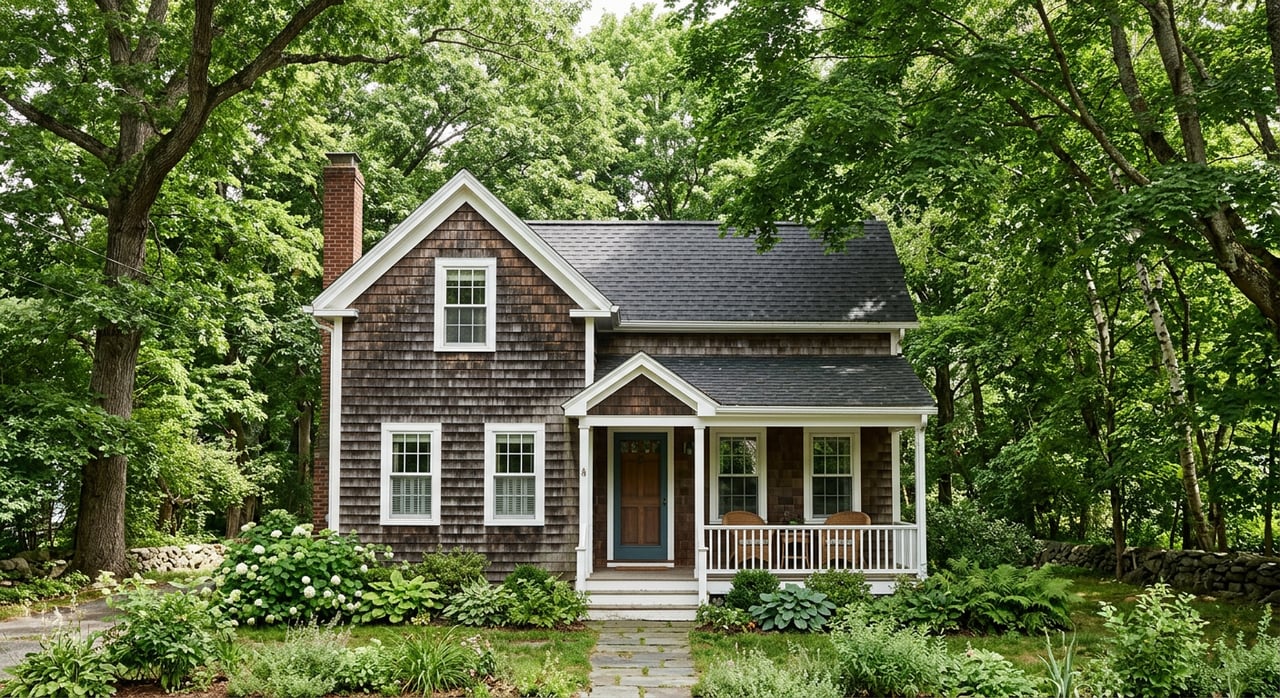
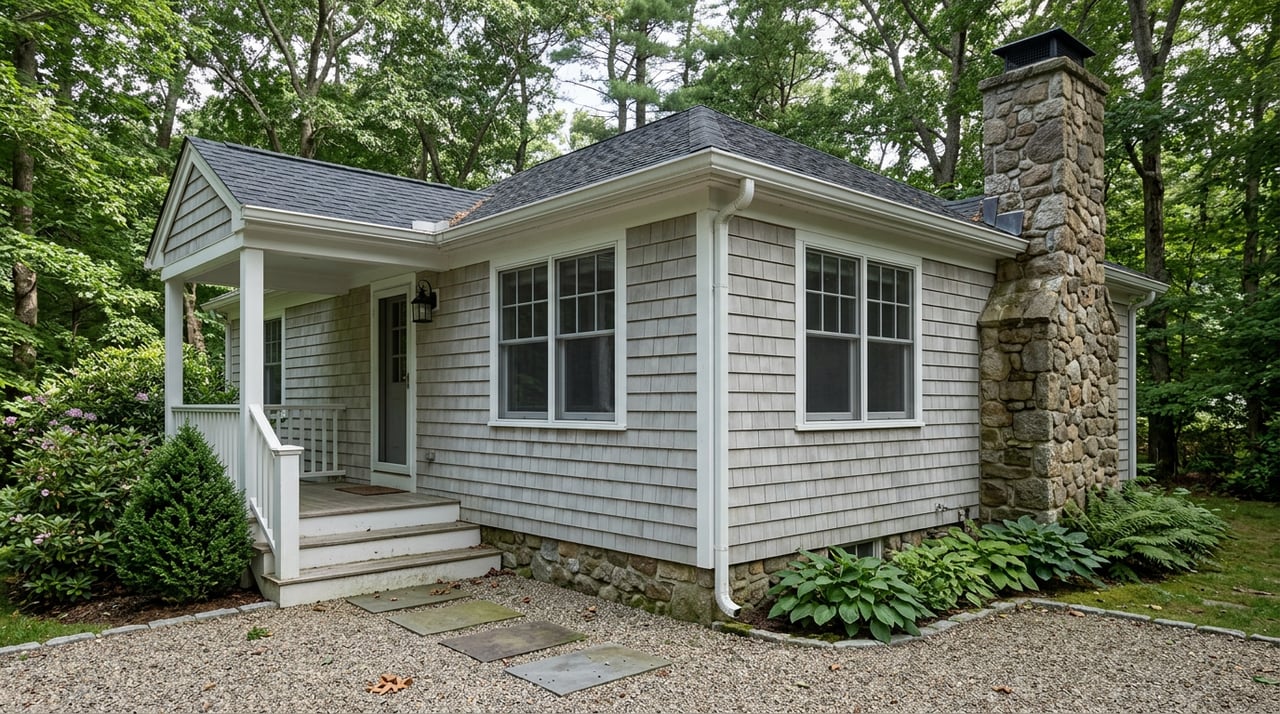
Many Campmeeting cottages date back a century or more, with wood construction, small footprints and charming porches. That character often comes with non‑standard foundations, tight stairs and older systems that may need upgrades. Local reporting highlights that buyers should be ready for improvements to roofing, electrical, insulation and HVAC in vintage homes, which aligns with the area’s reputation for 100‑year‑old cottages (AP News).
Utilities and sewer
Parts of Mount Gretna use the Mount Gretna Authority wastewater system, and there has been local discussion about sending wastewater to the City of Lebanon Authority to help manage costs. Changes to treatment arrangements can affect rates and future projects. Verify your property’s provider and current bills, and stay updated through local coverage such as LebTown’s reporting on wastewater planning.
Parking and guest logistics
Narrow streets and limited parking are part of the village fabric. Some areas require permits for on‑street parking, and licensed rentals typically receive two permits. Day‑guest limits and quiet hours are enforced. Confirm parking counts at the property, plus any Borough permits, and set clear expectations in your house rules as outlined in Chapter 137.
Safety, inspections and insurance
Borough licensing includes a professional inspection. Typical items include smoke and CO detectors, safe egress, handrails, electrical safety and a functioning heating system. Older cottages sometimes need electrical or fire‑safety upgrades to pass. The Borough also requires proof of at least $500,000 in liability insurance for short‑term rentals; many owners choose a specialty STR policy for added coverage. You can review the inspection and documentation steps in the Borough’s license process guide.
Management and cleaning costs
If you prefer hands‑off operations, full‑service managers often charge in the 20 to 30 percent range of booking revenue, depending on services. Cleaning and laundry per turnover can be significant relative to nightly rates, especially for short stays. For a quick primer on typical STR management fee structures, see this overview of Airbnb management fees and cost components. Always get local quotes for accurate budgeting.
Step‑by‑step buying game plan
Follow this path to reduce surprises and protect your upside:
- Confirm address eligibility. Map the property to the Borough’s allowed STR area and verify whether an STR license is available. The Borough caps STRs at 18, keeps a waiting list when full, and reviews licenses annually. Start with Chapter 137 and ask to see the current license roster.
- Check MGCA status if applicable. If the cottage sits in the Campmeeting, determine whether a Home Rental Permit exists for that specific property and whether there is a waiting list. Read the MGCA Home Rental Policy and confirm details with the association.
- Get address‑level revenue estimates. Order a rentalizer or market report to estimate ADR, seasonality and realistic booked nights. Use AirDNA’s Mount Gretna overview as a starting point, then refine for your property features.
- Build a conservative pro forma. Include management fees, cleaning per turnover, owner‑paid utilities, insurance that meets Borough requirements, the 5 percent Lebanon County hotel tax, property taxes and an annual maintenance reserve for an older home.
- Gather due‑diligence documents. Request the Borough license file, recent inspection certificate, any MGCA permit records, last 12 months of utility and sewer bills, and two to three years of rental income statements if the home already operates as an STR.
- Plan financing early. Loans for second homes and investment properties are underwritten differently and may have different down payment and reserve requirements. Confirm program options with your lender before you bid.
Common mistakes to avoid
- Assuming permits transfer. Borough licenses and MGCA permits are not guaranteed for a new owner. Verify both in writing.
- Ignoring seasonality. Underwrite for slower months. Do not let a few festival weekends drive your entire forecast.
- Underestimating CapEx. Historic cottages often need electrical, safety and weatherization work before inspection approval.
- Overlooking parking rules. Confirm on‑site space and Borough permit limits to avoid guest friction and fines.
Partner with a local guide
Buying a Mount Gretna rental is part real estate and part project management. You want someone who knows the Borough code, MGCA procedures, seasonal demand, and the trades who can get historic cottages inspection‑ready. If you are serious about a Mount Gretna investment or vacation home, let’s line up approvals, due diligence and a clear offer strategy that fits your goals.
Ready to explore available cottages and run the numbers? Schedule a Free Consultation with Sarah Lingle - Main Site.
FAQs
Can you operate a short‑term rental anywhere in Mount Gretna?
- No. The Borough limits STRs to specific areas and caps the total number of licenses. If the home is in the Campmeeting, you may also need an MGCA permit. Always verify eligibility for the exact address.
Are Borough short‑term rental licenses transferable when you buy?
- In practice, you should plan to apply as a new owner. Licenses are approved on an annual cycle, the cap can create a waiting list, and renewals are not automatic for buyers.
Do Campmeeting cottages need a separate permit?
- Yes, MGCA requires a property‑specific Home Rental Permit for rentals inside the Campmeeting, with its own cap and rules. Permits are not transferable and may involve an orientation.
What insurance do you need for a Mount Gretna STR?
- The Borough requires proof of at least $500,000 in liability coverage to issue a short‑term license. Many owners also buy a specialty STR policy for added protection.
How much is the Lebanon County hotel tax?
- The County collects a 5 percent hotel tax from short‑term stays, and owners file monthly returns after registering with the Treasurer’s office.
What occupancy and nightly rates should you expect?
- Recent market tools show average occupancy near 51 percent and average daily rates around $238 for Mount Gretna, with stronger performance in summer and on event weekends.