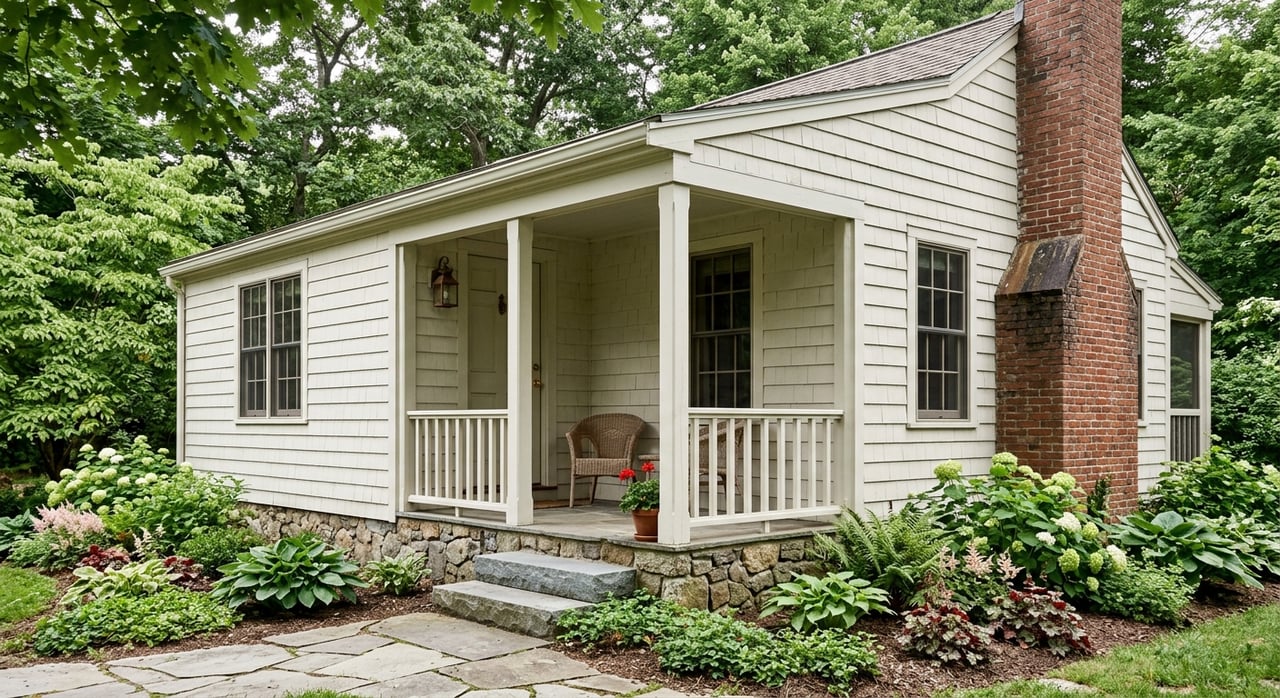
If you are thinking about buying an older cottage in Mount Gretna, you are probably drawn to something more than square footage. You may be picturing porch evenings, tree-lined streets, and a home with real character. That charm is very real, but so are the details that come with buying an older wood cottage, and knowing what to look for can help you move forward with confidence. Let’s dive in.
Why Mount Gretna Cottages Stand Out
Mount Gretna’s older-cottage market is closely tied to the Pennsylvania Chautauqua, founded in 1892. The Pennsylvania Chautauqua Historic District is listed in the National Register of Historic Places, and the district is recognized as a 1900-era vacation resort with a strong wood-built character, porch-centered living, and compact lot patterns.
That history still shapes what you see today. In some parts of the district, cottages were oriented toward the lake, so the street-facing side may feel more like the back of the house. If you are used to standard suburban layouts, that difference can be charming, but it can also change how you think about privacy, entry access, and outdoor space.
National Register status matters, but it does not automatically create local landmark controls. If you are buying in Mount Gretna, you should still verify borough rules and any property-specific permit requirements for the parcel.
What an Older Mount Gretna Cottage May Be Like
A “Mount Gretna cottage” is not just one thing. The Mount Gretna Area Historical Society tracks cottage histories across seven neighborhoods: Campmeeting, Chautauqua, Conewago Hill, Mt. Gretna Heights, Stoberdale, Timberbridge, and Timber Hills.
That is important because different areas can mean different home sizes, ages, layouts, and ownership questions. A cottage in one section may feel very different from a cottage in another, even though both carry the Mount Gretna name.
Within the Chautauqua district, the documented architectural styles include Chicago and Greek Revival. On the Campmeeting side, many of the 228 cottages date to 1892, and they are predominantly Gothic Revival or Queen Anne.
For you as a buyer, the main takeaway is simple: these homes are often loved for their setting, historic fabric, and porch life, not for modern floor plans or uniform construction. If you want a one-of-a-kind home experience, that can be a big plus. If you want a newer layout and fewer surprises, it is wise to go in with clear expectations.
Focus on Moisture First
In older wood cottages, moisture is one of the biggest issues to watch. Penn State Extension notes that carpenter ants are often associated with wet or damp wood caused by poor ventilation, leaking roofs, defective flashing, overflowing gutters and downspouts, or plumbing leaks.
Penn State also notes that moisture-heavy conditions, such as poorly vented attics and leaky roofs, can support old-house-borer infestations and structural damage. In other words, water problems do not always stay small. They can affect the wood, invite pests, and increase repair costs over time.
When you tour a cottage, pay close attention to signs of moisture inside and out. A stain on a ceiling, soft trim, peeling paint, musty smells, or sagging porch elements can all be clues that deserve a closer look.
Inspect the Exterior Envelope Carefully
With an older cottage, the exterior envelope matters a lot. That includes the roof, siding, caulking, gutters, downspouts, and drainage around the foundation.
A broad home-maintenance review should focus on how well the home sheds water. Extension guidance highlights the importance of gutters and downspouts that keep water from pooling around the foundation, along with caulking where different materials meet.
This is one reason older-cottage inspections should go beyond basic cosmetics. Fresh paint may improve appearance, but it does not tell you whether flashing is working properly or whether water has been getting where it should not.
Don’t Overlook Pests and Wood Damage
Because many Mount Gretna cottages are older and wood-built, pest due diligence matters. Penn State’s termite guidance recommends a professional pest inspection for buildings.
That extra step can be especially helpful in a wooded setting where moisture and wood exposure often go hand in hand. A general home inspection is important, but a pest inspection can help uncover issues that are easy to miss during a showing.
If a cottage has had past pest treatment, ask for records. You will want to understand what was found, what was repaired, and whether any prevention steps are still ongoing.
Lead Paint Is a Key Older-Home Check
If the cottage was built before 1978, lead-based paint is part of standard due diligence. The EPA says homes built before 1978 are more likely to have lead-based paint, and HUD notes that deteriorated lead paint can mix with household dust and soil.
This does not mean every older cottage is unsafe or unmanageable. It does mean you should ask good questions, especially if painted surfaces are peeling or if the property has had renovation work that disturbed older paint.
EPA rules also require lead-safe work practices for renovation work that disturbs paint in pre-1978 housing. If the seller has records of lead-safe renovations, that is useful information to review.
Use the Seller Disclosure the Right Way
In Pennsylvania, the seller’s property disclosure statement is designed to disclose known material defects. It is not a substitute for inspections or warranties.
That means you should treat the disclosure as a starting point, not as proof that everything is in perfect condition. It can help you identify known issues, but your own inspection and follow-up questions are still essential.
If a disclosure mentions prior leaks, repairs, pest treatment, or updates, use that information to guide your inspection conversations. The goal is not to panic over an older home. The goal is to understand it clearly.
Understand the Maintenance Rhythm
Owning a Mount Gretna cottage often comes with a different maintenance rhythm than owning a typical suburban house. In a wooded cottage setting, the work is usually less about constant cosmetic upgrades and more about steady prevention.
In practical terms, that means keeping water out, keeping wood dry, and addressing small exterior issues before they spread. Gutters, rooflines, caulking, drainage, and porch components may need regular attention.
Local services also shape daily ownership. Mount Gretna Borough provides civil services within the borough and handles trash, recycling, leaf and brush collection, snow removal, and other ordinances.
Garbage is collected on Mondays, and recycling is every other week. The borough’s leaf-and-brush guidance also notes that tree limbs over 3 inches in diameter are the owner’s responsibility.
The borough also adopted an open-burning ordinance because the community is wooded and open burning is considered a fire and smoke hazard. For you as an owner, that means yard-waste and debris management may require more planning than you would expect elsewhere.
Confirm Utility and Permit Details
Before closing, confirm utility details carefully. The Mount Gretna Authority is the separate entity responsible for the water and sewer systems and the wastewater treatment facility.
That makes it important to verify connection details, service expectations, and any property-specific obligations tied to the home. Even in a small community, utility setup is not something you want to assume.
You should also ask about permit history for additions or major repairs. The borough’s building permit application references the Pennsylvania Uniform Construction Code, so unpermitted work is worth flagging during due diligence.
Research the Cottage’s Story
One of the joys of buying an older cottage in Mount Gretna is that the home may have a story worth learning. If you enjoy the history side of ownership, the Mount Gretna Area Historical Society can be a valuable local resource.
Its cottage histories project and Jack Bitner Library can help buyers research prior owners, alterations, and naming history. That kind of paper trail can be meaningful if you want to better understand how the cottage evolved over time.
It can also help you spot changes that may deserve a closer look during the buying process. For some buyers, that historical context adds even more value to the purchase.
If You May Rent the Cottage
If you are thinking about short-term rental income or future flexibility, do not leave that research until the end. Mount Gretna Borough currently caps short-term rental licenses at 18 and states that any property renting for fewer than 30 days without a license is in violation of the borough rental ordinance.
As of January 2026, the borough listed 18 licensed properties. That means availability may already be limited, and a charming cottage is not automatically a short-term rental opportunity.
The rental process documents also require a local contact person within 20 miles, a property deed, renter notices, a fire escape diagram, and for short-term rentals, proof of at least $500,000 in liability insurance. If rental use matters to your plans, verify the current rules early.
A Smart Buyer Checklist
Before you make an offer or during your due diligence period, keep this checklist handy:
- Ask for the seller disclosure statement.
- Request the roof age and any records of past water intrusion.
- Ask about pest treatment history and any structural repairs.
- Review records for electrical updates.
- Ask whether any renovations involved lead-safe work practices.
- Request permit records for additions or major repairs.
- Confirm water and sewer details with the proper local authority.
- Hire an inspector who is comfortable with older wood cottages.
- Consider specialty evaluations for pests, porch framing, moisture issues, and pre-1978 paint when needed.
Buying with Clear Eyes and Confidence
An older cottage in Mount Gretna can offer a lifestyle that is hard to duplicate. You get history, character, and a setting that feels distinct from newer neighborhoods.
At the same time, these homes reward careful buyers. When you understand the cottage’s condition, maintenance needs, permit history, and any rental limits, you can make a much more confident decision.
If you are considering a cottage purchase in Mount Gretna and want local guidance through the details, Sarah Lingle - Main Site can help you evaluate properties, ask the right questions, and move forward with clarity.
FAQs
What makes an older Mount Gretna cottage different from a typical house?
- Older Mount Gretna cottages are tied to the community’s resort-era history and often feature wood construction, porch-centered living, compact lots, and unique layouts that may not match modern suburban floor plans.
What should you inspect first when buying a Mount Gretna cottage?
- You should pay close attention to moisture-related issues, including the roof, flashing, gutters, downspouts, ventilation, siding, caulking, and signs of damp or damaged wood.
Why is pest inspection important for older cottages in Mount Gretna?
- Older wood cottages can be more vulnerable to termite, carpenter ant, and wood-boring insect concerns, especially when moisture problems are present, so a professional pest inspection is a smart part of due diligence.
Does National Register status change what you can do with a Mount Gretna cottage?
- National Register listing is important historically, but it does not automatically create local landmark controls, so you still need to verify borough rules and property-specific permit requirements.
What should you know about lead paint in an older Mount Gretna home?
- If the cottage was built before 1978, it may have lead-based paint, so you should ask about deteriorated paint, past renovations, and any records showing lead-safe work practices.
Can you use a Mount Gretna cottage as a short-term rental?
- Not automatically. Mount Gretna Borough caps short-term rental licenses at 18, requires a license for rentals under 30 days, and has additional application and insurance requirements that buyers should verify early.