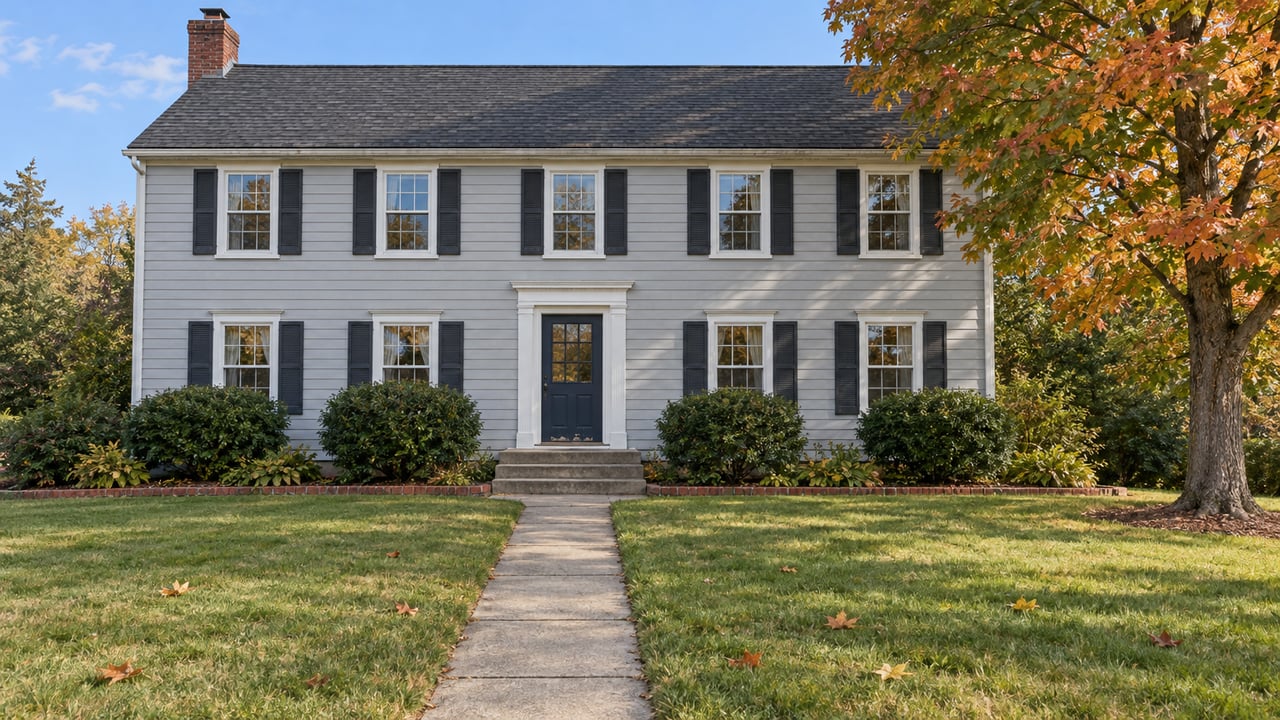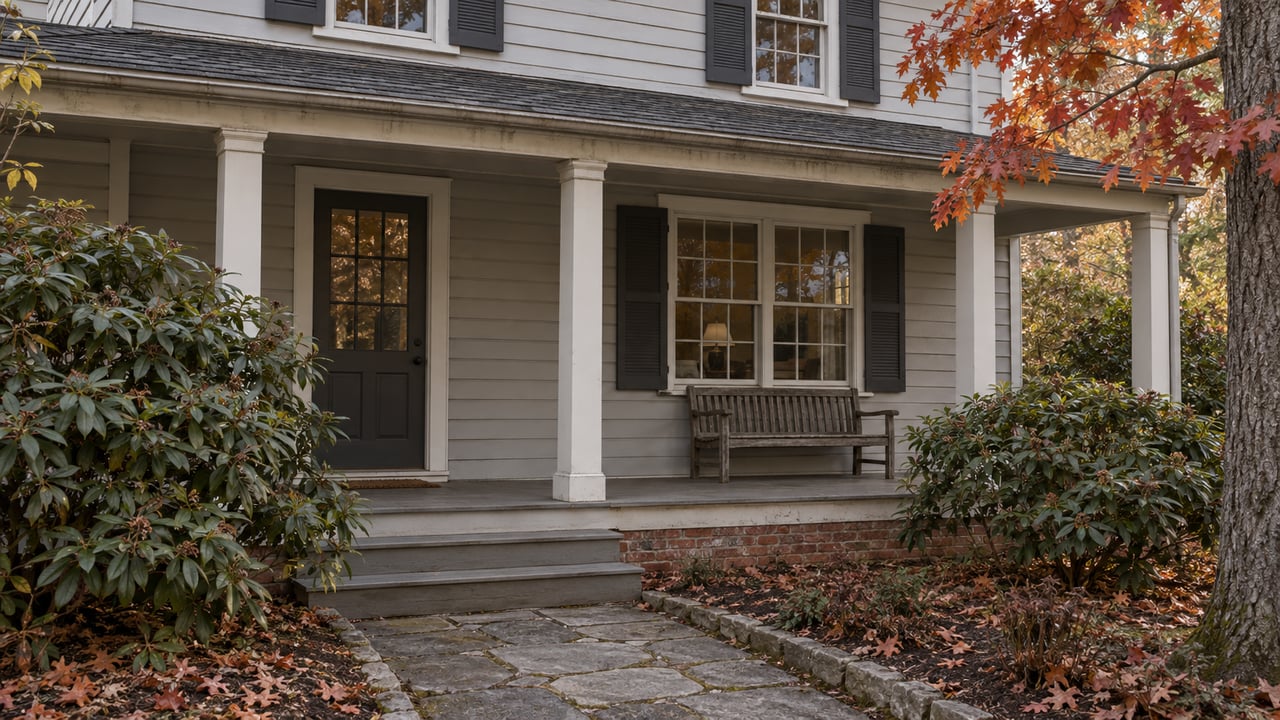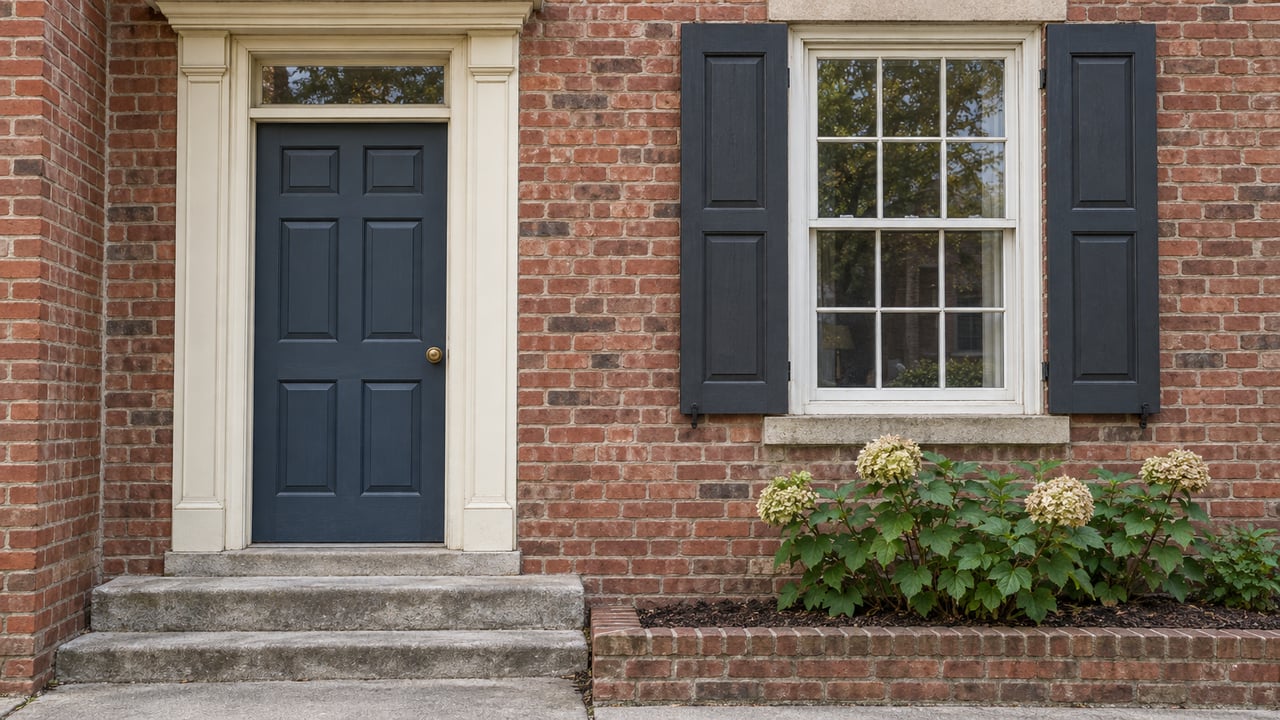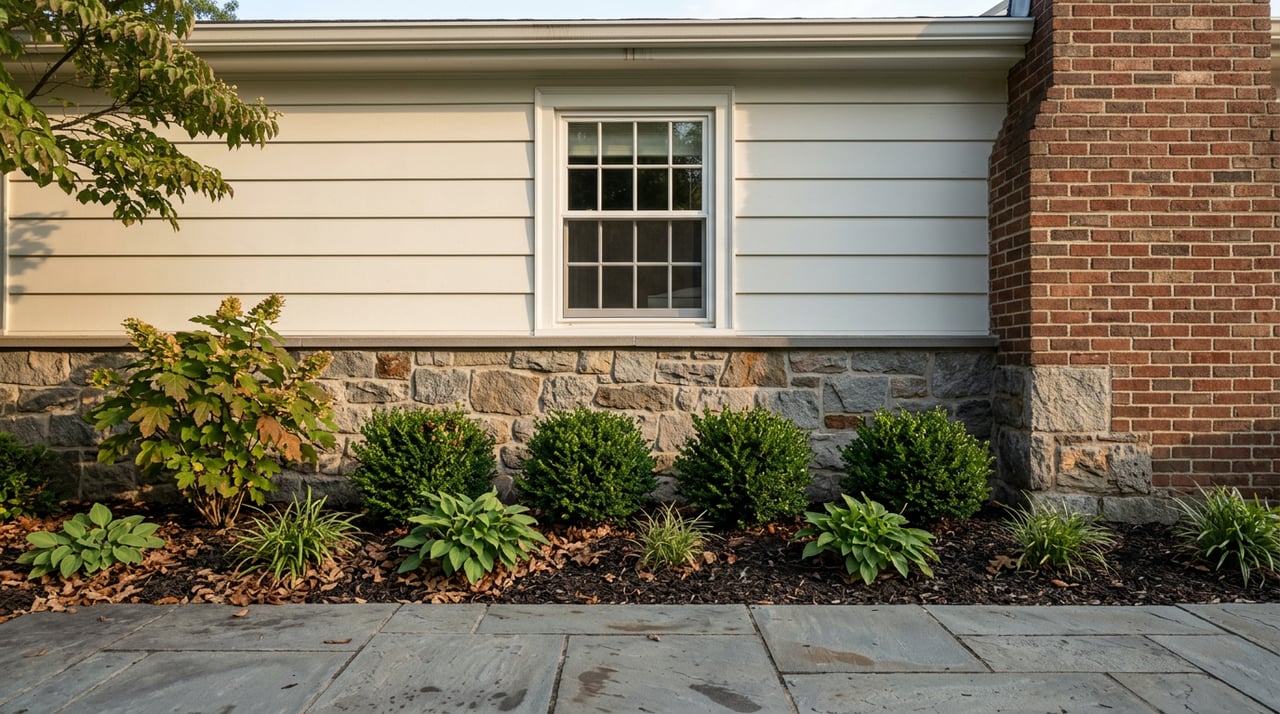
Every seller in Pennsylvania fills out the same disclosure form, and every seller in Pennsylvania answers the same question about mining, as set out in Pennsylvania Code § 35.335a. In Cornwall, that question lands differently than it does almost anywhere else in the state, because the insurance program the form points buyers toward was built for a kind of mine Cornwall never had, as Pennsylvania Code Chapter 401 makes clear.
This isn't a defect to hide or a reason to worry. It's a mismatch between a statewide form and a specific piece of ground, and it's worth understanding before you're the one signing the paperwork.
The Same Box Everyone in Pennsylvania Checks
Pennsylvania's Real Estate Seller Disclosure Law requires sellers to tell buyers about known material defects before an agreement of sale is signed. The standard form used across the state asks sellers to say whether they're aware of any "existing or proposed mining, strip mining or any other excavations that might affect this property," and separately whether they're aware of any earth movement, settling, or subsidence problems. Attached to that second question is a note directing buyers to Pennsylvania's Department of Environmental Protection Mine Subsidence Insurance Fund for maps and coverage information.
Anyone selling a house in Cornwall Borough has to answer that mining question honestly, based on their own knowledge of the property. Cornwall has a mining history spanning more than two centuries, though what a seller knows about a specific property is what matters.
What's less obvious is what happens next, when a buyer reads that note and assumes the state insurance program mentioned in it will tell them something useful about their new address.
The Fund the Form Points To Was Built for Coal
Pennsylvania's Mine Subsidence Insurance Fund is affordable and well established. Coverage of $150,000 currently runs about $41.25 a year, according to the Pennsylvania Department of Environmental Protection, and the program has paid out more than $47 million in claims since 1961. It exists because standard homeowners insurance almost never covers subsidence damage on its own.
But the fund isn't a general mining-risk program. Its own governing regulation calls it, by name, the Coal and Clay Mine Subsidence Insurance Fund, and the eligibility rule is explicit: structures located within the coal and clay regions of the Commonwealth are eligible for coverage. The insuring definition of "mine subsidence" is written the same way, describing ground movement from the collapse of underground coal or clay mine workings.
Cornwall's ground doesn't fit that description. The deposit that put this borough on the map wasn't coal or clay. It was iron, magnetite specifically, formed where a Triassic diabase intrusion cooked the surrounding limestone into what geologists call the Cornwall-type skarn deposit, with copper, gold, silver, and cobalt recovered as byproducts. That's a genuinely different kind of ground than the anthracite and bituminous coal regions the state fund was designed around.
Here's what that distinction actually means in practice:
- A home in the coal regions of western or northeastern Pennsylvania can usually be checked against the state's mining maps and insured through the same state fund if it's found to sit over old coal workings.
- A home in Cornwall was, in fact, built near or over old mine workings, but those workings produced iron, not coal or clay, so the property doesn't fall within the fund's own defined coverage region the way a coal-country home would.
- The disclosure question about mining history still applies in Cornwall exactly as written. The insurance answer the form points to afterward is the part that doesn't transfer cleanly.
None of this changes what a seller owes a buyer under the law. It changes what a buyer should expect to find when they follow up on that note.
What Was Actually Dug Out of This Ground
The history helps explain why the distinction exists at all. Peter Grubb acquired the ore deposit in 1732 and built Cornwall Furnace nearby to use it. Ownership consolidated over the following century, with Robert Coleman controlling five-sixths of the operation by 1798, and mining methods advanced from pick-and-pry-bar digging to bench mining by 1858 and steam shovels by the 1870s. A second, deeper deposit wasn't located until 1919, and by 1926 Bethlehem Steel had gained sole ownership of both deposits to supply its own steel mills.
Twentieth-century operations split into the open pit and an underground No. 3 mine working the western deposit, with a separate underground No. 4 mine working the eastern one. According to the borough's own history, underground workings ran beneath sites known as Burd Coleman and Rexmont, names that survive today in the community's streets and developments. In June 1972, floodwaters from Hurricane Agnes overwhelmed the pumps that had kept the underground mines dry, and neither underground operation ever reopened. Open pit work on the copper- and gold-rich ore at the eastern end continued for another year before ceasing entirely on June 30, 1973. Across its full run, the operation produced roughly 106 million tons of ore, along with 67,000 ounces of gold and 443,000 ounces of silver recovered between 1908 and 1973.
A historical marker erected in 1947 by the Pennsylvania Historical and Museum Commission still describes the site plainly:
"One of world's greatest iron mines, oldest operated continuously in the New World."
The Lebanon County Historical Society continues to host talks on this history, including a recent program on the mining operation's full 1737-to-1973 run. The furnace itself, which closed in 1883 and predates the mine's later industrial-scale operations, still stands today as a state-maintained museum at 94 Rexmont Road.
What This Means at the Closing Table
If you're selling in Cornwall, the disclosure form asks what you know, not what insurance is available. Answer the mining and excavation questions honestly based on your own knowledge of the property, the same as any seller would anywhere in the state. That obligation doesn't change because the state's subsidence fund is scoped to coal and clay.
If you're buying, the useful move is to ask a direct question rather than assume the note on the form settles anything. An independent insurance producer can tell you whether any private subsidence-type coverage exists for iron-mine ground, since the state fund's coal-and-clay eligibility rule doesn't rule out every option, it just rules out that particular one. A local title search can also confirm whether mineral rights beneath a specific parcel were ever severed from the surface, which is a separate question from insurance and matters in its own right.
It's also worth remembering that Cornwall's mining footprint isn't uniform across the borough. The names on the map still trace it, from Iron Valley Estates to Ironmaster Road to Burd Coleman Village, and those names are a fair starting point for a conversation with an inspector or a title company about a specific parcel's history, not a reason to assume risk where none has been documented. The flooded open pit itself, now a permanent water-filled feature north of the historic furnace, is a landmark of that history rather than a structure sitting on top of it.
A few questions this raises
Do I still have to disclose the mining history even though the state fund doesn't apply here? Yes. The disclosure law asks about your knowledge of the property's history, not about which insurance program happens to cover it. Answer based on what you actually know.
Does this mean Cornwall homes carry more subsidence risk than other Pennsylvania homes? Not necessarily. It means the specific state program built around coal and clay mine collapse isn't the right tool for evaluating risk from an iron mine, so a buyer who wants that reassurance needs to ask a different set of questions than they would in coal country.
Where can I find out what's actually documented under a specific address? A title search through the county Recorder of Deeds is the starting point for mineral rights history, and an independent insurance producer can advise on what private coverage options, if any, exist for this type of ground.
None of this is a reason to slow down a sale or second-guess a purchase. It's a reason to ask the right person the right question instead of relying on a form note that was written with a different kind of mine in mind.
If you're weighing a move in Cornwall, or trying to make sense of a disclosure form you've already been handed, Sarah Lingle can walk through what it actually means for your specific address. Schedule a free consultation and get a straight answer before you sign anything.
This article is general information, not legal, tax or financial advice. Consult a qualified professional about your situation.