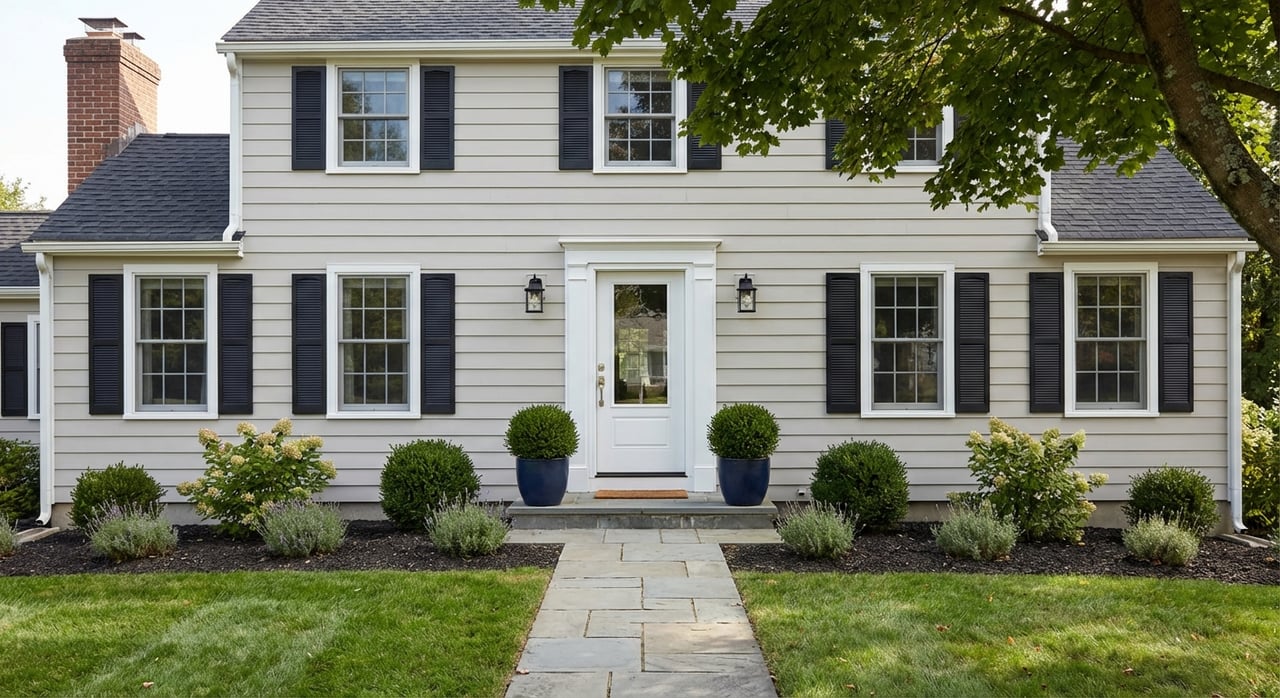
Thinking about selling your home in Cornwall? A few focused steps can help you sell faster and for a stronger price while keeping stress low. You want a smooth process, clear guidance, and great presentation from day one. In this guide, you’ll learn exactly how to prep, what to fix, which documents you need in Pennsylvania, and how to time your launch in the Cornwall-Lebanon area. Let’s dive in.
Know the Cornwall market now
Lebanon County has shown rising prices with homes spending multiple weeks on the market, though timing and outcomes vary by neighborhood. Use county figures as context and lean on hyperlocal comps for Cornwall and nearby areas like North Cornwall, Annville, and Lebanon city. You can review a county snapshot on Realtor.com for a quick pulse on prices and days on market, then fine-tune with local MLS data for your street and style of home. See the current Lebanon County market snapshot for context.
If you want to target a strong spring window, plan backward. National research highlights mid-April as an historically high-performing week to list, with many homes selling faster and at a modest premium. To hit that window, start your prep 6 to 8 weeks ahead so repairs, staging, and photography are complete before you go live. Learn more from Realtor.com’s best time to sell analysis.
Handle required Pennsylvania disclosures
Before you accept an offer, Pennsylvania requires that you provide a written Seller’s Property Disclosure for most 1 to 4 unit homes. Disclose known material defects and be ready to answer questions about systems, water, sewage, and past repairs. Deliver the disclosure early and update it if anything changes. Review the official guidance in the Pennsylvania Seller Property Disclosure Rule.
For homes built before 1978, federal law also applies. You must give buyers a lead warning statement, share any known reports, and provide the EPA/HUD pamphlet. Buyers must be offered a 10-day lead inspection period unless they waive it. See the EPA’s lead disclosure requirements.
Be prepared to document water and sewage details. If your property uses a private well or on-lot septic system, buyers often request water testing or septic inspections and may ask for proof of recent service. If you made additions or alterations, disclose them and note any known permitting issues. Transparency helps you avoid renegotiations later.
Quick note for older homes in Lebanon County
The county maps to a high radon potential zone (EPA Zone 1), and many local homes predate 1978. Radon testing is common and relatively inexpensive, and buyers expect it. Consider testing before you list or disclose any recent results. See the EPA’s radon zone map and guidance.
Prioritize repairs buyers notice first
Start with safety and systems
Fix or disclose any known safety issues first. Address active leaks, damaged roofing, electrical hazards, loose railings, or HVAC problems. These can delay appraisals, trigger lender concerns, or derail a deal late in the process.
If your roof, HVAC, or electrical panel is older, consider a pre-listing inspection to create a clear plan. You can repair high-priority items on your timeline or disclose them with estimates so buyers understand the scope. See practical prep steps in Realtor.com’s guide to getting your home ready to sell.
Cost-effective refreshes
Fresh neutral paint and a deep clean go a long way. Tidy floors, replace stained carpet, and touch up trim so rooms read bright and move-in ready. In kitchens and baths, simple changes like new cabinet hardware, updated lighting, and fresh caulk or grout can modernize the look without a full remodel.
Elevate curb appeal
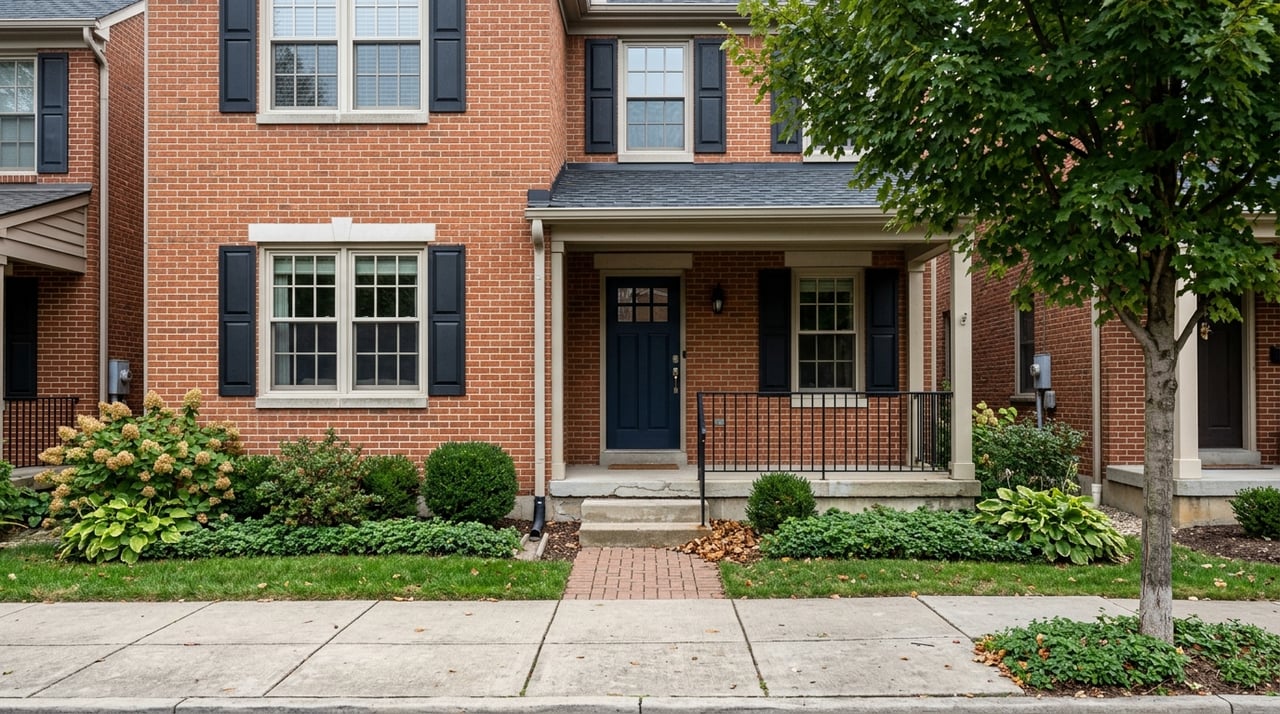
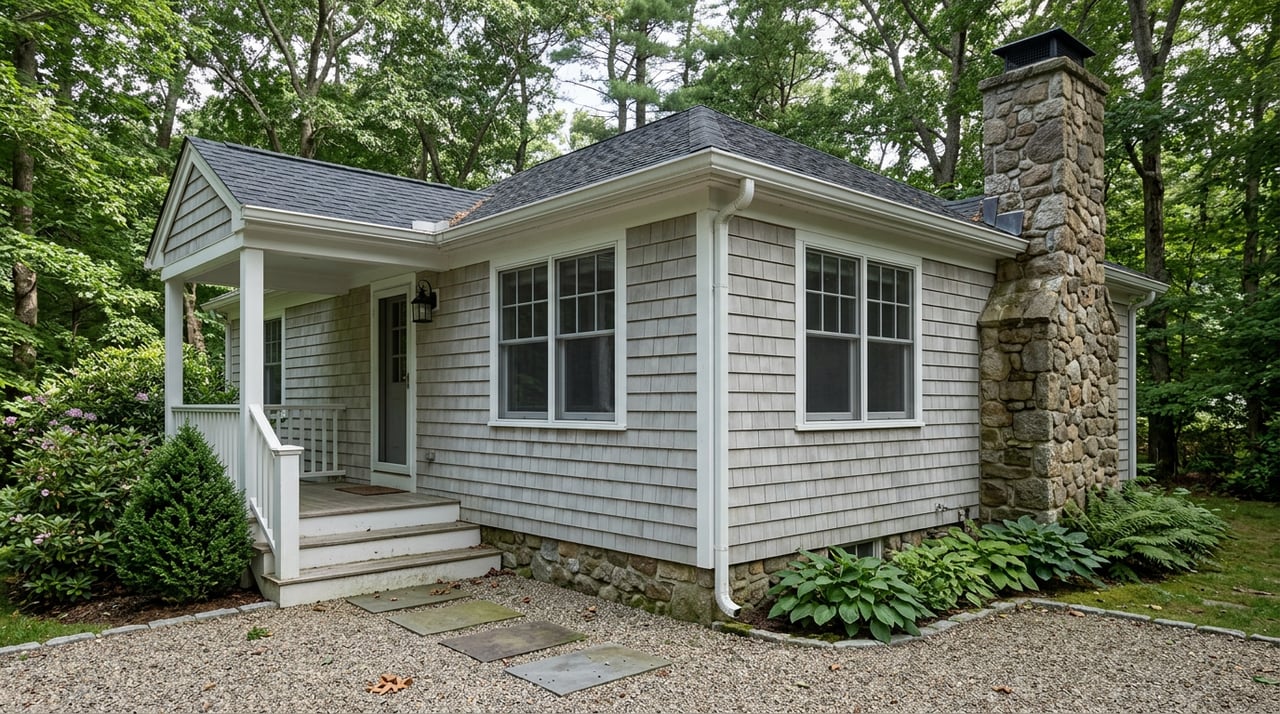
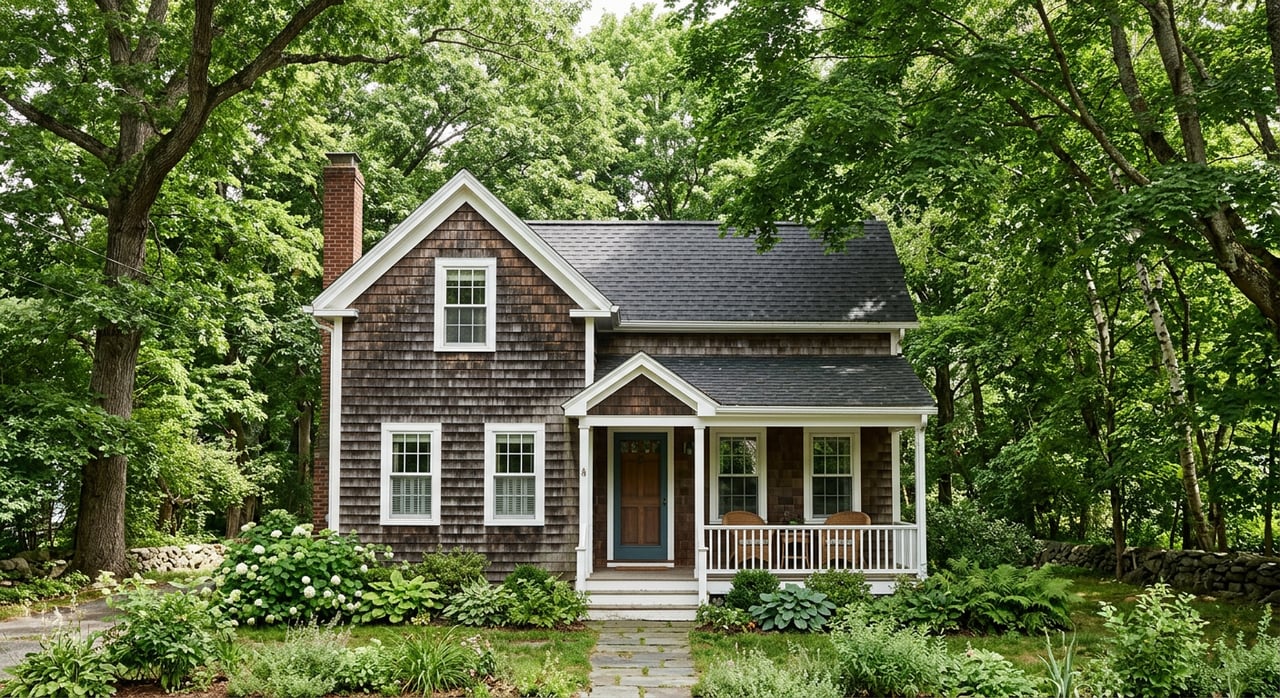
Your exterior sets the tone for every showing and online photo. Mow and edge the lawn, trim shrubs, power wash siding and walkways, and clean gutters. A welcoming entry with updated hardware, crisp house numbers, and a clean doormat creates a strong first impression.
Stage for standout photos and tours
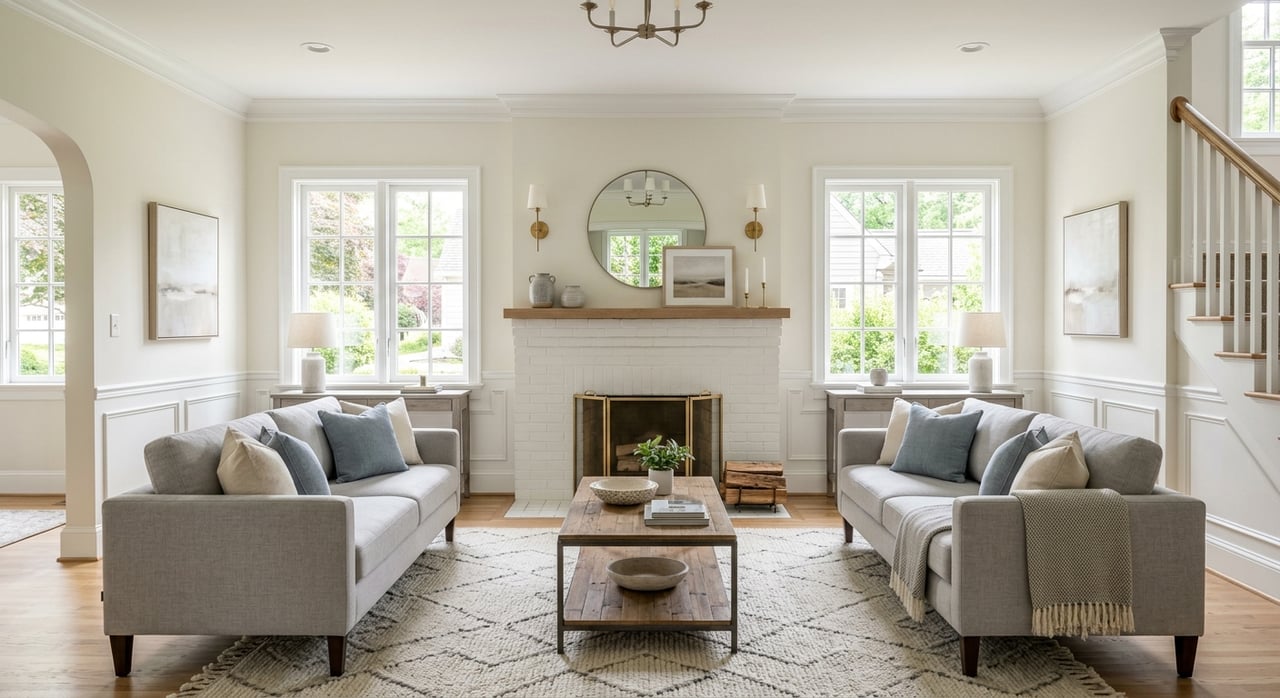
Staging helps buyers picture themselves living in the home. Industry findings show staged homes often sell faster and can lead to modest increases in offer prices. Focus first on the spaces buyers value most: the living room, kitchen, and primary bedroom. See highlights from the NAR report on staging.
Declutter, depersonalize, and neutralize. Aim for clear surfaces, balanced furniture, and simple decor that makes rooms feel open. If a full staging plan is not in the cards, a light refresh or virtual staging can still improve your online presence.
Professional photography is essential because most buyers start online. Schedule photos after painting, cleaning, and staging are complete. Add a floor plan and, if possible, a 3D tour to raise engagement and help out-of-area buyers feel confident.
Price with Cornwall comps
Price to the most recent comparable sales in Cornwall and the immediate surrounding neighborhoods, not to county averages or emotion. Your early pricing strategy should capture attention in the first two weeks, when interest is highest. Strong online presentation paired with accurate pricing is the fastest path to qualified showings.
If you need to widen the buyer pool, targeted incentives can help. Consider closing cost help or a home warranty instead of major renovations if the market shows longer days on market. You can use these levers strategically after gathering early feedback.
Simple 6 to 8 week prep timeline
- 6 to 8 weeks before listing: Order an optional pre-listing inspection, gather permits and receipts, and schedule contractors for must-do repairs. Start decluttering and plan your staging approach.
- 2 to 3 weeks before listing: Complete painting and cosmetic updates. Finalize your Seller’s Property Disclosure and assemble any water, sewer, well, or septic documentation. Schedule professional photos and a virtual tour.
- Listing week: Launch mid-week with full photography, features, floor plan, a virtual tour, and your disclosure packet ready for buyer agents. Keep showings flexible in the first 10 to 14 days to capture momentum.
Local resources to gather info
- Property taxes and records: Check parcel details and tax information through the Lebanon County property and tax records portal.
- Borough or municipal questions: Contact the Cornwall borough or local municipal office to confirm any sewer, water, or permit items tied to your address.
- School district context: Many buyers filter searches by district boundaries. Explore the Cornwall-Lebanon School District community page for neutral, district-provided information.
Ready to list with confidence?
You do not need to tackle this alone. With local comps, a smart prep plan, and polished marketing, you can sell with clarity and ease. If you want a step-by-step roadmap tailored to your home, pricing, and timeline, let’s talk. Schedule your consult with Sarah Lingle - Main Site to plan your sale, from staging to closing.
FAQs
What disclosures are required to sell a home in Cornwall, PA?
- Pennsylvania requires a written Seller’s Property Disclosure for most 1 to 4 unit homes, plus federal lead-based paint disclosures for pre-1978 properties; deliver these before signing a purchase agreement.
When is the best time to list in the Cornwall-Lebanon area?
- Spring often delivers faster sales and stronger prices, with mid-April highlighted in national research; start prep 6 to 8 weeks early to be photo-ready for launch.
Do I need a pre-listing inspection before selling?
- It is optional but helpful; a pre-listing inspection can surface issues early so you can repair or disclose on your timeline and reduce renegotiations later.
Should I test for radon before I list in Lebanon County?
- Yes, radon testing is common here due to the county’s high-potential zone; testing or disclosing recent results builds buyer confidence and smooths inspections.
What should I fix first to get my Cornwall home market-ready?
- Start with safety and system items like leaks, roofing, electrical, railings, and HVAC; then add paint, floor refreshes, light kitchen and bath updates, and curb appeal for top visual impact.